Brooklyn Psychedelic Psychotherapy logo featuring a stylized bridge and swirling patterns, representing therapeutic services in psychedelic psychotherapy and ketamine treatment.

What Is Bipolar Depression and How Does It Affect Mental Health?

Bipolar depression presents complex challenges that significantly detract from a person’s quality of life. Individuals often experience episodes of extreme mood fluctuations that impede daily functioning and lead to deep feelings of hopelessness. Recently, Ketamine therapy has emerged as a promising, rapid-acting treatment option.

This article delves into how ketamine alleviates bipolar depressive symptoms, details the clinical evidence supporting its efficacy, and outlines the benefits and safety considerations of integrating this medicine with professional psychotherapy. Additionally, we will provide insights on how to access this innovative treatment in a safe, grounded clinical container through Brooklyn Psychedelic Psychotherapy.

What Is Bipolar Depression and How Does It Affect Mental Health?

Bipolar depression is a complex mental health condition characterized by severe mood fluctuations that swing between emotional highs (mania or hypomania) and profound lows (depression). These shifts go far beyond standard mood swings, deeply disrupting sleep patterns, energy levels, judgment, behavior, and cognitive clarity. Individuals navigating bipolar disorder often face significant challenges in their daily lives, impacting relationships, career stability, and overall well-being. By understanding the intricate nuances of these cycles, we can better appreciate the therapeutic potential of advanced, supportive interventions like ketamine-assisted psychotherapy.

What Are the Symptoms and Challenges of Bipolar Depression?

Individuals navigating bipolar depression often experience complex cluster of debilitating symptoms that affect mind, body & nervous system:
Ketamine-assisted psychotherapy session in Brooklyn, NY, with therapist and patient discussing healing.
  • Emotional Instability: Deep, prolonged depressive lows often follow periods of heightened energy, leading to unpredictable shifts that complicate personal relationships and disrupt emotional safety.
  • Cognitive Impairments: Pervasive brain fog, difficulty concentrating, and impaired decision-making frequently arise, creating significant barriers to both professional and personal productivity.
  • Physical & Somatic Symptoms: The physical toll is heavy, often manifesting as profound fatigue, severe sleep disturbances (such as insomnia or oversleeping), and a loss of appetite, which sharply decline overall physical health and daily functioning.
Recognizing these symptoms early is critical for establishing a safe clinical container and finding an effective, rapid-acting approach to manage and stabilize the disorder.

What Are the Symptoms and Challenges of Bipolar Depression?

Bipolar depression is fundamentally distinct from unipolar depression (Major Depressive Disorder) due to the presence of manic or hypomanic episodes alternating with depressive crashes. While unipolar depression is characterized primarily by a persistent low mood and a downward baseline, bipolar disorder involves a highly sensitive, dysregulated nervous system that swings between extremes of hyper-arousal and hypo-arousal.
 
Because of this unique biological and psychological architecture, treating bipolar depression presents specialized challenges. Traditional antidepressants that work well for unipolar depression can be dangerous for a bipolar system, as they can cause an "affective switch," pushing a vulnerable individual directly into mania or an unstable, rapid-cycling state. Consequently, the clinical priority must always be a tailored approach that prioritizes comprehensive mood stabilization, creating a safe foundation before introducing rapid-acting interventions like ketamine.

How Does Ketamine Therapy Work for Bipolar Depression?

Ketamine therapy is revolutionizing the treatment of bipolar depression by shifting the focus away from traditional monoamine neurotransmitters (like serotonin or norepinephrine) and targeting the brain's primary excitatory system instead.
At a molecular level, ketamine acts as an NMDA receptor antagonist, which triggers a rapid increase in the neurotransmitter glutamate. This surge initiates a crucial biological cascade that stimulates synaptic plasticity essentially prompting the brain to grow new neural connections and repair damaged synapses that have withered under the chronic stress of severe depressive cycles.
 
By rapidly enhancing the brain's structural connectivity and improving communication within neural networks responsible for mood regulation, ketamine offers a fresh, fast-acting perspective on managing complex, treatment-resistant mood disorders. This unique biological mechanism allows many individuals to experience a profound lifting of heavy depressive symptoms and suicidal ideation within hours, rather than weeks.
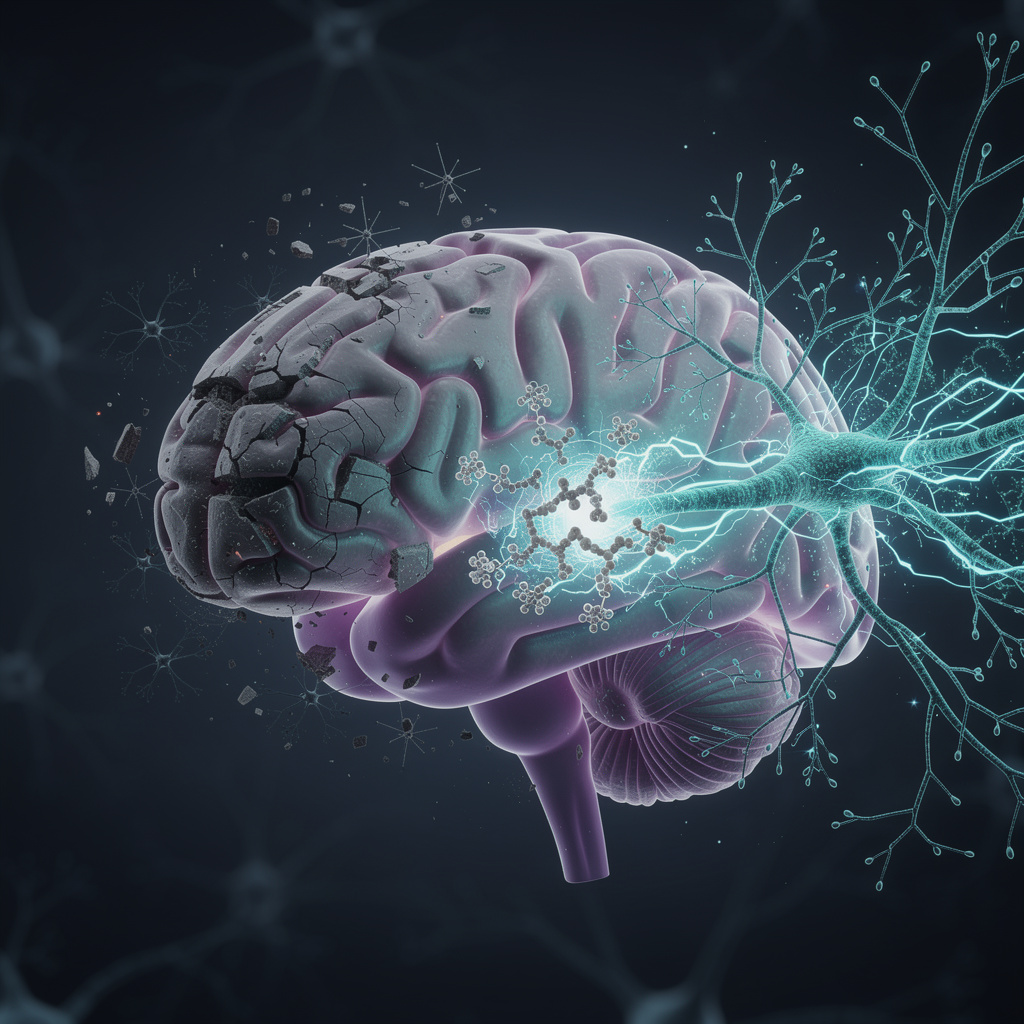
Brain illustration depicting synaptic plasticity and neural connections, showcasing glutamate surge and repair.

What Is Ketamine Infusion Therapy and Its Role in Mood Regulation?

Ketamine infusion therapy involves administering precise, low doses of ketamine intravenously (IV) under direct medical supervision. By delivering the medication directly into the bloodstream, this method ensures maximum absorption and allows for precise control over the experience.
Its rapid role in mood regulation centers on three key biological actions:
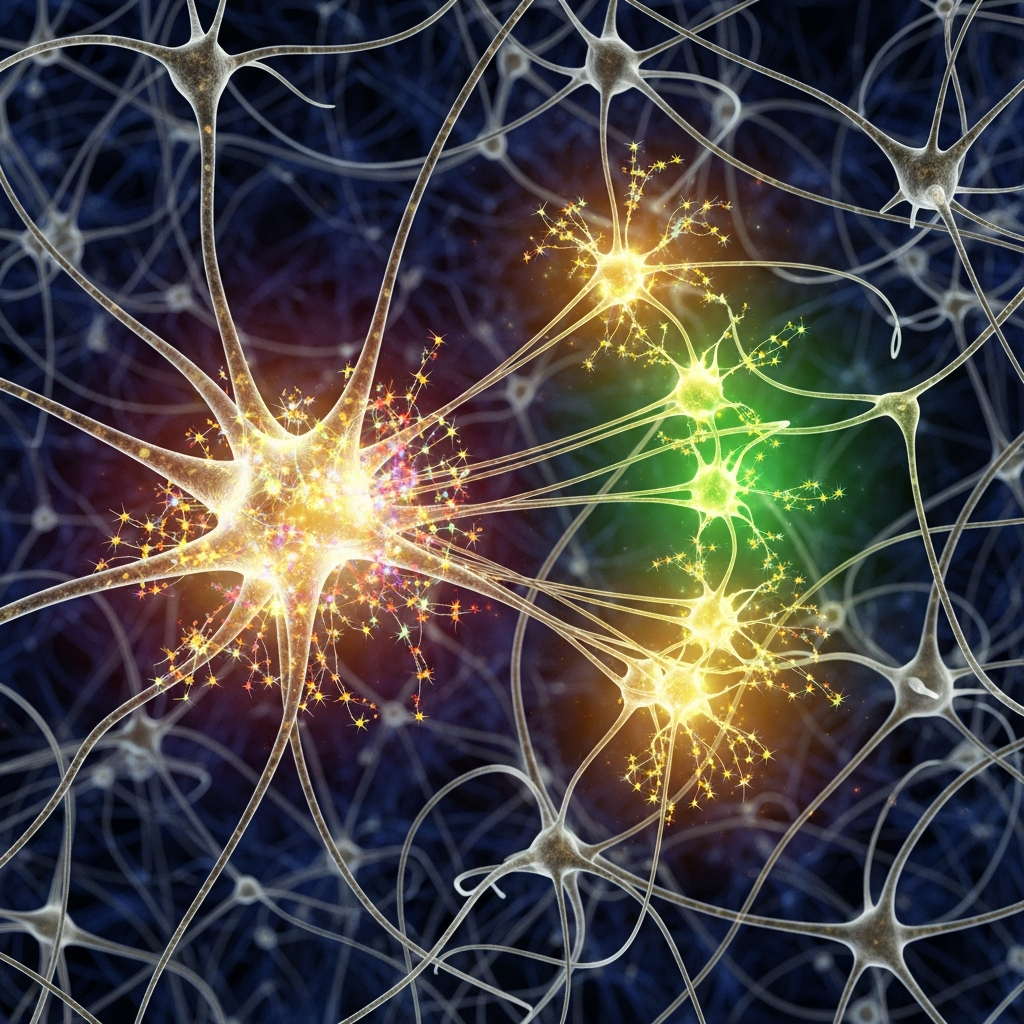
Neural networks and synaptic connections illustrating brain structural connectivity and neuroplasticity.
  • Blocking NMDA Receptors: Ketamine blocks these receptors in the brain, triggering a rapid surge of the critical neurotransmitter glutamate.
  • Enhancing Neural Connectivity: This chemical shift repairs and rebuilds synaptic connections in the brain's emotional centers that have withered due to chronic depression.
  • Increasing BDNF Levels: Ketamine boosts Brain-Derived Neurotrophic Factor (BDNF), a protein that acts like "fertilizer" for the brain, promoting rapid neuroplasticity and cellular healing.
Because of this direct, structural impact on the brain, patients often experience a profound reduction in heavy depressive symptoms and suicidal ideation within hours or days, rather than the weeks required by traditional antidepressants.

Clinical Evidence for Ketamine in Bipolar Depression Treatment

Research suggests that ketamine has a significant impact on bipolar depression where traditional treatments may have failed. Numerous studies have demonstrated its efficacy through rapid symptom relief and improved mood within hours of administration.

Study

$0 . 00

/month

  • .
    Study A
  • .
    Study B

  • .
    Study C

Findings

$0 . 00

/month

  • Study 70% response rate within 24 hours
  • Persistent mood improvements observed
  • Significant reduction in suicidal ideation

Population

$0 . 00

/month

  • .
    Bipolar II patients
  • .
    Mixed bipolar disorder
  • Acute bipolar depressive episodes

Duration

$0 . 00

/month

  • 6
    weeks
  • 8
    weeks
  • 10
    weeks
These studies underscore the transformative potential of ketamine in treating bipolar depression.

What Are the Benefits and Safety Considerations of Psychedelic-Assisted Psychotherapy?

Psychedelic-assisted psychotherapy (KAP) combines the biological impact of low-dose ketamine with professional clinical support, allowing patients to experience accelerated emotional processing and deep therapeutic breakthroughs.
However, introducing medicine into a bipolar system requires a careful balance of distinct benefits and strict safety considerations.

Key Benefits

  • Accelerated Emotional Processing: Ketamine temporarily quiets defensive psychological barriers, allowing individuals to process deep-seated trauma or severe depressive states without becoming emotionally overwhelmed.
  • Capitalizing on Neuroplasticity: The medicine opens a window of heightened neuroplasticity. Pairing this window with integration therapy helps patients actively build resilient, long-term cognitive and emotional habits.
  • Rapid Relief from Crisis: Unlike traditional options that take weeks to take effect, this model provides immediate support, helping lift profound anhedonia and acute suicidal ideation within hours.

Critical Safety Considerations

Woman resting on couch during ketamine-assisted psychotherapy session and therapeutic integration.
Preventing a Manic Switch: The primary risk with bipolar depression is triggering an "affective switch" into mania or hypomania. While data shows the risk with clinical ketamine is low, strict medical safeguards must be maintained.
The Necessity of Mood Stabilizers: To protect the baseline of a bipolar system, ketamine should be used as an adjunct treatment alongside an established, optimized dose of a mood stabilizer (such as lithium or lamotrigine).
Rigorous Screening: Individuals with a history of active psychosis, unstable rapid-cycling mania, or specific cardiovascular contraindications are not suitable candidates and require alternative modalities.

How Does Psychedelic Integration Support Bipolar Disorder Healing?

In a somatic and transpersonal framework, the medicine itself acts as a catalyst the lasting, structural healing happens during psychedelic integration. For individuals navigating bipolar disorder, integration ensures that the temporary neuroplastic window opened by ketamine is safely grounded into sustainable, everyday stability.
Integration supports the bipolar healing journey through three primary avenues:
Regulating Nervous System Dysregulation: Bipolar disorder involves intense swings between hyper-arousal (mania) and hypo-arousal (depression). Integration utilizes somatic psychotherapy to help individuals track physical sensations, anchor their nervous systems, and expand their capacity to tolerate fluctuating emotional states.
 

Harmonizing Internal Parts (IFS): Using Internal Family Systems (IFS), integration helps patients view their symptoms not as a broken identity, but as different "parts" of a sensitive system. A heavy depressive crash, for instance, might be recognized as a protective part forcing necessary rest after an exhausting hypomanic phase, fostering deep self-compassion.

Structuring Behavioral Insights: Ketamine temporarily quiets defensive mental loops, allowing patients to view core wounds without being overwhelmed. Integration sessions provide the safe clinical container needed to unpack these insights and translate them into concrete lifestyle structures, such as strict sleep hygiene, routine tracking, and healthy relational boundaries.

Medical team discussing ketamine therapy and brain scans for mental wellness in Brooklyn, NY.
By bridging the gap between an expanded state of consciousness and daily, embodied reality, integration transforms a fleeting medicinal breakthrough into long-term psychological stabilization.

What Are the Risks and Patient Care Protocols During Ketamine Treatment?

While ketamine therapy possesses an excellent clinical safety profile, it is a powerful psychoactive substance that requires strict medical and psychological safeguards.
Group holding hands in prayer, symbolizing support and therapeutic integration.

Potential Side Effects and Risks

  • Transient Dissociation: Altered perceptions of time, space, and the body, which can occasionally cause brief anxiety or disorientation.
  • Cardiovascular Changes: Temporary elevations in blood pressure and heart rate during administration.
  • Somatic Discomfort: Mild nausea, dizziness, or brief loss of physical coordination as the medicine takes effect.

Strict Patient Care Protocols

To effectively mitigate these risks, care is organized into a precise, three-tiered protocol:
  1. Pre-Treatment Screening: A thorough psychiatric and medical evaluation rules out contraindications (such as uncontrolled hypertension or active psychosis). Patients must also follow specific fasting guidelines to prevent nausea.
  2. Active Session Monitoring: Vital signs are tracked closely throughout the experience. A clinician maintains a calm presence to support the patient through intense dissociative features within a safe, quiet space.
  3. Post-Treatment Recovery: Patients remain in recovery until vital signs normalize and dissociation fully resolves. Because minor cognitive and coordination delays can persist, patients are strictly prohibited from driving and must be discharged into the care of a designated adult.
Silhouette of a woman meditating at sunset, symbolizing healing and therapeutic support for bipolar depression.

How Can You Book a Consultation for Ketamine Treatment for Bipolar Depression?

Taking the first step toward treating complex bipolar depression is a clear, supportive process designed to prioritize your safety and long-term stabilization.
Here is how you can begin your journey:
Submit an Inquiry: Reach out through a specialized clinic's secure online contact form or via email to express your interest in Ketamine-Assisted Psychotherapy (KAP) or ketamine infusion therapy.
Clinical Consultation: You will schedule an initial consultation with a licensed psychotherapist or clinician to discuss your therapeutic history, current symptoms, and how modalities like somatic or IFS integration can best support your system.
Medical Clearance: You will be connected with a specialized medical provider or psychiatric team. They will conduct a comprehensive medical evaluation to confirm your clinical eligibility and ensure your mood-stabilizer regimen provides a safe, protected baseline.
If you are ready to explore a rapid-acting path to relief within a grounded clinical container, contact a qualified practitioner today to schedule your consultation.

What Should You Expect During Your Initial Ketamine Therapy Appointment?

Your initial appointment is a foundational, non-medicine session dedicated to safety, planning, and building trust. During this session, you can expect:
A Comprehensive Review: A deep dive into your mental health history, focusing on your specific bipolar symptoms, past treatments, and current stability baseline.
Safety & Alignment: A thorough review of your current medication regimen ensuring essential mood stabilizers are optimized alongside medical clearance guidelines.
Tailored Planning: Setting clear intentions and laying the groundwork for how somatic and IFS integration techniques will be woven into your personalized treatment plan.

How to Prepare and Access Brooklyn Psychedelic Psychotherapy Services?

Preparing for your journey with Brooklyn Psychedelic Psychotherapy ensures a safe, streamlined entry into your care plan.

How to Prepare

Document Your History: Put together a concise list of your current medications, dosages, and mental health treatment history specifically focusing on your history with mood stabilizers and bipolar symptoms.
Coordinate Care: Prepare the contact information for your primary psychiatrist or prescribing physician to facilitate seamless, collaborative care between our therapy practice and your medical team.
 

What Should You Expect During Your Initial Ketamine Therapy Appointment?

Our practice provides a safe, welcoming, and fully accessible in-person healing environment in the heart of Greenpoint:
  • Brooklyn Psychedelic Psychotherapy

    117 Dobbin St, Suite 114a
    Brooklyn, NY 11222
     
By integrating innovative treatments like Ketamine-Assisted Psychotherapy (KAP) with somatic and transpersonal integration, individuals navigating complex bipolar depression can find a safe clinical container, renewed hope, and sustainable paths toward long-term mood stabilization.
Brooklyn Psychedelic Psychotherapy logo featuring a stylized bridge and swirling patterns, representing therapeutic services in psychedelic psychotherapy and ketamine treatment.

Brooklyn Psychedelic Psychotherapy

117 Dobbin St, Suite 114a, Brooklyn, NY 11222

Vital Psychedelic Informed Practitioner badge for Brooklyn Psychedelic Psychotherapy

Copyright [#this year :%Y]. Brooklyn Psychedelic Psychotherapy | Ketamine & Talk Therapy. All Rights Reserved. Site by Profit Shaman