The practice aims to prioritize psychological safety, agency, and consent throughout treatment, which is particularly vital given the high co-occurrence of post-traumatic stress and alcohol dependency.

By Brooklyn Psychedelic Psychotherapy Editorial Team · Updated 2026-08-02
Ketamine treatment pairs a single infusion with outpatient talk therapy, pharmacologically disrupting drinking-related memories to reduce cravings. A landmark trial published in the American Journal of Psychiatry found that this combination significantly helped alcohol-dependent individuals abstain from drinking for several weeks post-treatment.
Ketamine treatment for alcohol use disorder works by producing rapid antidepressant and anti-craving effects often within 1–2 hours by disrupting the neural patterns that reinforce compulsive drinking. Brooklyn Psychedelic Psychotherapy pair dosing sessions with structured preparation and integration therapy, utilizing trauma-informed and Internal Family Systems (IFS) approaches to help clients process underlying causes and sustain lasting behavioral change.
Ketamine alcoholism treatment combines a legal, medically supervised infusion protocol with structured psychotherapy for people whose drinking hasn't responded to conventional care. Practices like Brooklyn Psychedelic Psychotherapy deliver this treatment in Brooklyn, offering clients an alternative path when standard rehab programs, twelve-step models, or standalone talk therapy haven't produced lasting change. The approach centers on ketamine's well-documented rapid antidepressant and anti-craving effects often emerging within one to two hours a critical factor given how frequently depression, anxiety, and trauma co-occur with alcohol use disorder (AUD).
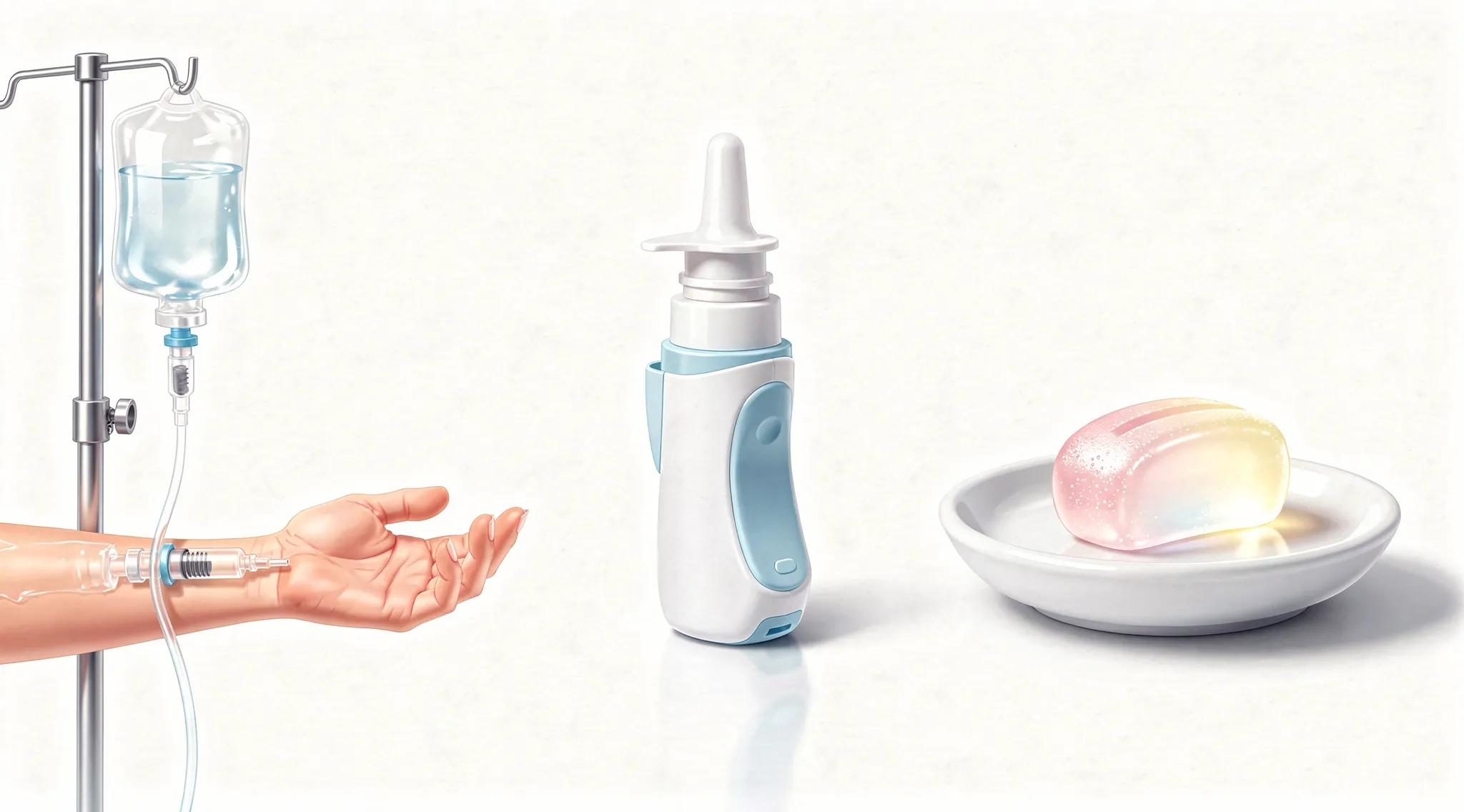
Sessions unfold in three distinct, interconnected phases rather than as a isolated medical event:
Yes. Every ketamine session is directly paired with individual psychotherapy built on transpersonal, Internal Family Systems (IFS), and trauma-informed methodologies. This pairing is critical because ketamine induces a transient window of heightened neuroplasticity a state where the brain is exceptionally adaptable. However, lasting recovery from alcohol dependence requires sustained clinical work to rewire habits, not a one-time medication event.
Clients considering this route often ask what separates it from earlier attempts at sobriety. The distinction lies in three structural pillars:
Peer-reviewed studies confirm that ketamine holds real therapeutic promise for substance use disorders. While researchers still describe this field as evolving, landmark clinical trials demonstrate significant efficacy:
Columbia University Pilot Trial: A randomized controlled study published in the American Journal of Psychiatry found that a single sub-anesthetic ketamine infusion, paired with motivational enhancement therapy, significantly increased the likelihood of abstinence, delayed time to relapse, and reduced heavy drinking days compared to the control group.

These findings align with a broader clinical pattern: a single dose or short series of ketamine when integrated with structured psychotherapy can produce immediate anti-craving effects that extend well beyond the day of treatment. By lowering defense mechanisms and disrupting habitual memory loops, ketamine creates a unique window of opportunity for individuals who have previously cycled through traditional detox, 12-step programs, or stand-alone therapy without lasting relief.

No. Ketamine infusions or dosing sessions are not intended to serve as a standalone fix. Current research and clinical standards indicate that ketamine’s primary role in treating Alcohol Use Disorder (AUD) is to open a temporary "window" of heightened neuroplasticity and rapid craving relief. Without structured talk therapy to capitalize on that window, old behavioral loops and psychological triggers often reassert themselves over time.
Practices like Brooklyn Psychedelic Psychotherapy anchor their protocol around this evidence base. By training under pioneers in Ketamine-Assisted Psychotherapy (KAP) like Dr. Phil Wolfson author of The Ketamine Papers clinicians utilize established KAP methodology that explicitly combines sub-anesthetic dosing with deep psychological integration, rather than relying on isolated medical infusions alone.
Care at Brooklyn Psychedelic Psychotherapy blends advanced clinical training, somatic awareness, and practical access. Clients working through alcohol use disorder receive an individualized treatment plan built around both mind and body recognizing that addiction resides as much in the nervous system as in thought patterns rather than a one-size-fits-all protocol.
The practice's approach is shaped by a broad, multidisciplinary foundation, drawing on several core modalities:
Clinical grounding began at Columbia University’s School of Social Work, followed by extensive clinical hours in community mental health settings serving diverse populations. That core foundation later expanded through specialized training in Sensorimotor Psychotherapy a somatic, body-centered approach that addresses trauma stored in the nervous system alongside cognitive thought patterns.
For clients pursuing ketamine alcoholism treatment, this integrated background is especially critical:
Brooklyn Psychedelic Psychotherapy remains a small practice, staffed by two dedicated professionals. This structure keeps care highly personalized and responsive, rather than diffuse across a large clinical roster.
Access matters too. Sessions are available both in-person and via telehealth, with Aetna and Cigna coverage helping to lower financial barriers to ongoing treatment.
Getting Started Is Straightforward:

Initial Contact: Connect directly with Ari Borinsky, LCSW, to discuss your goals, medical history, and treatment suitability.
Choose Your Setting: Visit the Brooklyn office located at 117 Dobbin St, Suite 114a, or schedule remote sessions.
Personalized Care Plan: Begin a tailored treatment plan built around your unique needs rather than a rigid, fixed template.
Ketamine-assisted psychotherapy represents a meaningful advancement in treating alcohol use disorder by addressing both the neurobiological and psychological dimensions of addiction. Through its rapid action on glutamate pathways and facilitation of neuroplasticity, ketamine creates a unique "window of opportunity" for therapeutic work that traditional approaches alone often cannot achieve.
When integrated with skilled, trauma-informed psychotherapy in a supportive clinical environment, this evidence-based treatment offers individuals struggling with alcoholism a viable pathway toward sustained recovery and renewed psychological resilience.
Brooklyn Psychedelic Psychotherapy is located in Brooklyn, NY, US.
Brooklyn Psychedelic Psychotherapy has 2 employees.
Brooklyn Psychedelic Psychotherapy
117 Dobbin St, Suite 114a, Brooklyn, NY 11222
Copyright [#this year :%Y]. Brooklyn Psychedelic Psychotherapy | Ketamine & Talk Therapy. All Rights Reserved. Site by Profit Shaman